



















Fire Hydrant Colors: What They Mean and Why They Matter


You’re enjoying your morning walk; you notice a colored fire hydrant. While this color may seem like an aesthetic choice, this conveys information for firefighters and emergency services. If you’re a fire safety supplier in Pakistan, understanding these color codes is integral to ensuring safety and compliance. Let’s see the meaning behind fire hydrant colors and their importance.

The Purpose of Fire Hydrant Colors

The colors of fire hydrants play a crucial role in the system. Each color conveys essential information regarding the water supply. This information assists firefighters in making quick decisions during emergencies. Generally, the colors indicate:

  • Water Flow Capacity: How much water a hydrant can supply.
  • Water Source Type: Whether the hydrant is connected to a public water supply, a well, or another source.
  • Operational Status: Whether the hydrant is functional or out of service.

Fire Hydrant Colors and Their Meanings Behind It
Body Colors

  1. Yellow: Indicates hydrant is connected to a public or local water system.
  2. Red: Signifies a hydrant connected to a private water system, such as a well.
  3. Purple: Shows the hydrant is connected to a water source that is not safe to drink but safe to distinguish fire.
  4. White: Used in certain areas to identify hydrants for specific purposes, such as those managed by the fire department.

Bonnet and cap colors

These colors indicate the water flow capacity:

  • Blue: Over 1,500 GPM, making it excellent for firefighting.
  • Green: 1,000 to 1,499 GPM, suitable for residential areas.
  • Orange: 500 to 999 GPM, adequate for smaller fires.
  • Red: Less than 500 GPM, providing minimal flow.

Why These Colors Matter

Every second counts during a fire emergency. With the help of the color code, firefighters are able to visualize how much water they can expect from the hydrant.

Identifying the water source and flow rate helps avoid choosing a low-capacity hydrant that may slow down the progress of firefighting. This also prevents the unintentional use of non-potable water for firefighting.

Hydrant colors also inform the public about water safety. For example, purple hydrants warn that the water is not safe for drinking, protecting people from accidental consumption.

Maintaining Hydrant’s color

Fire hydrant colors are like a communication tool between the firefighters. Hence, maintaining the color is crucial. Local governments and utility companies are responsible for painting and maintaining hydrants. The NFPA recommends repainting hydrants every 5–10 years or whenever their function changes.

Local governments might create their own color-coding systems in regions that don’t fully follow the NFPA guidelines. For instance, some communities introduce additional colors to indicate hydrants that are out of service or being repaired.


Conclusion

While the color of a fire hydrant may seem like an aesthetic choice, it carries significant significance. These color codes work like a communication tool between firefighters and their resources. They are a critical part of an efficient and effective fire safety system, providing essential information about water flow rates, pressure, and sources, ensuring firefighters can respond quickly and safely in emergencies.

HAC and Sons offer certified firefighting equipment and safety solutions that prioritize reliability and efficiency. We are dedicated to quality, ensuring your team is well-prepared to manage emergencies with confidence.

 

How Fire Alarm Systems Detect Danger: The Technology Explained

What is a Fire Alarm System?

A fire alarm system is a network of devices that work together to detect fires early, warn people about potential danger, and help them take the right actions to stay safe. It combines detection, alerts, and sometimes even suppression systems to keep everything under control. These systems are found in most public and commercial buildings, and even in many homes, giving everyone peace of mind knowing that safety is in place. As a fire safety equipment supplier, we offer reliable and high-quality fire alarm systems to ensure your safety and help protect your property and loved ones from fire risks.

The Components of a Fire Alarm System

1- Fire Detectors: These are the first line of defense. They detect smoke, heat, or gas, depending on the type. The two most common types are smoke detectors, which sense airborne particles, and heat detectors, which detect changes in temperature. Many modern systems combine both to offer a more reliable solution.

2- Control Panel: Think of this as the brain of the system. It receives signals from the detectors and decides what to do next. If the control panel detects a fire, it triggers the alarms and notifies emergency services or building management. It also controls manual alarms and other system settings.

3- Alarms: These are the devices that warn people about the fire. They can be sirens, bells, horns, or visual signals like flashing lights. Some systems use strobe lights, which are especially useful for people with hearing impairments.

4- Notification Devices: These help make sure that everyone in the building gets the fire alert. They can include visual displays, voice alarms, or a combination of both. In larger buildings, these systems are often part of evacuation plans to direct people to safety.

5- Fire Suppression Systems (optional): Some commercial or industrial fire alarm systems are connected to suppression systems, like sprinklers or gas-based extinguishers, to control or even put out a fire until emergency responders arrive.

How Does a Fire Alarm System Work?

  • Detection: It all begins with the fire detectors. These sensors are constantly monitoring the air for signs of smoke, heat, or gas. When a smoke detector senses particles in the air, it activates the alarm. Similarly, heat detectors go off when the temperature rises too high.
  • Signal Transmission: Once a fire detector senses something wrong, it sends a signal to the control panel. The control panel is responsible for interpreting the signal and determining the next steps. If the signal indicates a fire, the control panel activates alarms and sends notifications.
  • Activation of Alarms: The control panel then triggers the alarm system, which sends out audible or visual signals. These alerts are meant to warn everyone in the building to act quickly. In some systems, voice alarms will provide instructions like “Evacuate immediately” or “Head to the nearest exit.”
  • Evacuation and Suppression (if applicable): Along with triggering alarms, the system may also start fire suppression systems like sprinklers or gas-based extinguishers to control the fire. Emergency lights may also be activated to help people find their way to exits safely.

Why Are Fire Alarm Systems So Important?

Fire alarm systems are crucial for protecting lives and property, offering vital benefits that can’t be overlooked. They detect fires early, giving people more time to evacuate and reducing the risk of injury or death. These systems provide around-the-clock monitoring, ensuring that your property is safeguarded even when you’re not there. Many modern fire alarms are connected to emergency services, automatically notifying firefighters when a fire is detected, helping to minimize damage and ensuring quick response times.


How to Select the Best Respirator Mask for Construction Dust and Fumes

Why Do You Need a Respirator Mask for Construction?

Construction sites are filled with airborne hazards that pose serious long-term health risks—things like lung disease, respiratory issues, and even cancer. Dust from cutting, grinding, and sanding can irritate your lungs, while fumes from paints, adhesives, and solvents can expose you to harmful chemicals. That’s where safety equipment like respirators masks comes in. These devices filter out harmful particles and gases, providing crucial protection from these risks. But, not all respirators are created equal. Choosing the right one can make a huge difference in terms of both safety and comfort.

Key Factors to Consider When Choosing a Respirator Mask

1. Know the Hazards You’re Facing
The first step in selecting a respirator mask is understanding the specific hazards you’ll be exposed to. Construction sites can have a variety of airborne contaminants, such as dust, fumes, vapors, and gases. Respirators are categorized by the types of contaminants they protect against.

  • Dust: If you’re primarily dealing with dust, a particulate respirator (like an N95 mask) will do the trick. These masks filter out particles larger than 0.3 microns.
  • Fumes and Gases: If you’re exposed to chemical fumes or gases—like paint fumes, welding smoke, or solvents—you’ll need a mask with filters specifically designed for those kinds of contaminants, such as P100 or multi-gas cartridges.

2. Fit and Comfort
A respirator is only effective if it fits snugly. An ill-fitting mask can let dust and fumes sneak through, rendering it useless. Make sure the mask creates a secure seal, especially around the nose and mouth.

  • Full-Face Masks: These provide a better seal and also protect the eyes, offering complete protection from both dust and fumes.
  • Half-Face Masks: Lighter and more comfortable, these masks cover only the nose and mouth. They’re great for lighter tasks or when you’re only exposed to dust.
    Be sure to try the mask on before purchasing. Many models come with adjustable straps, but the key to optimal protection is a good seal.

3. Respirator Ratings
Respirators are classified by different ratings that indicate their filtration efficiency. Here’s a quick breakdown:

  • N95: These masks filter out 95% of airborne particles but are not effective against oil-based particles.
  • P100: Offering the highest level of protection, P100 masks block 99.97% of airborne particles, including oil-based ones.
  • R95: This mask is effective against both dust and some oils, though it’s not as efficient as P100.
    If your work involves heavy exposure to construction dust or chemicals, it’s worth investing in an N95 or P100-rated mask.

4. Breathing Valve for Comfort
A respirator with a breathing valve is a game-changer. It makes it easier to exhale, reducing heat and moisture buildup inside the mask. This is especially helpful if you’re working long hours or in warmer conditions. The valve improves airflow, keeping the mask cooler and more comfortable, while also preventing your glasses from fogging up.

5. Look for Certification and Standards
Always ensure the mask meets recognized safety standards. In the U.S., the NIOSH (National Institute for Occupational Safety and Health) rating system guarantees the mask performs as expected in real-world conditions. A mask labeled “NIOSH approved” means it meets strict safety criteria, so you can trust its effectiveness.

Check out HAC and Son’s respiratory protection collection. We have respirators, full and half-face masks as well as mask cartridges, disposable respirators, etc. Visit our website for the best safety equipment in Pakistan.


What Fire PPE Made Of: Understanding Materials and Standard


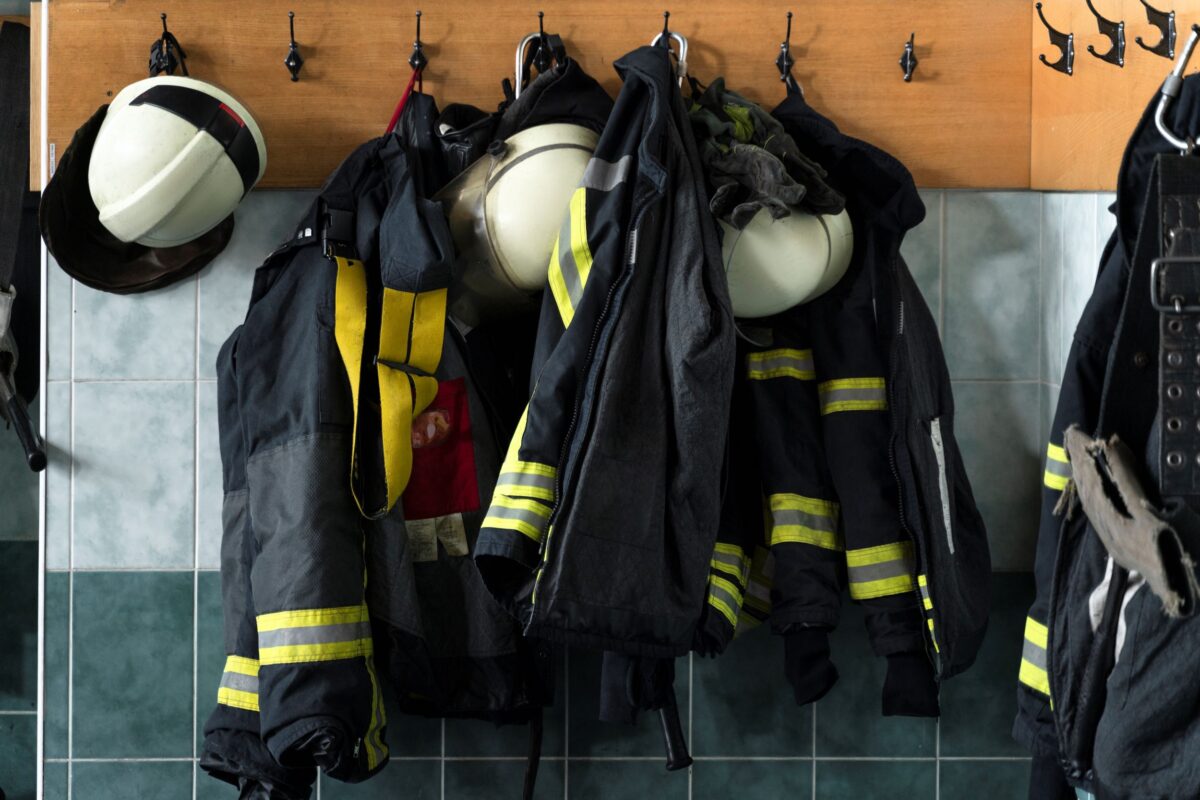
As a fire safety equipment supplier, we know just how important it is for anyone exposed to fire risks—whether you’re a firefighter or working in an industrial setting—to have the right Fire PPE. It’s not just about protection; it’s about making sure you’re safe while doing your job. The right gear can prevent serious burns, injuries, or worse. But how do you know if your Fire PPE is truly protective? It all starts with understanding the materials it’s made from. Let’s take a look at what makes Fire PPE truly effective in keeping you safe.

The Key Materials Behind Fire PPE

1. Nomex®: The Gold Standard in Fire Protection

When it comes to fire PPE, Nomex® is the go-to material. Developed by DuPont, this heat- and flame-resistant fabric is the foundation of protective gear like jackets, pants, gloves, and hoods. What makes Nomex® stand out is its aramid fibers—naturally flame-resistant and designed to withstand temperatures of up to 800°F (427°C) without losing integrity. Unlike other materials, Nomex® won’t catch fire or melt under intense heat.

But Nomex® is more than just tough—it’s also light and comfortable, which is essential for workers who need to stay agile, like firefighters and industrial workers. They require protection that doesn’t restrict movement, and Nomex® delivers that balance of flexibility and durability that’s hard to beat.

2. Kevlar®: Strength and Durability

Next up is Kevlar®, another aramid fiber that’s commonly used in fire PPE, particularly for gloves and protective liners. Kevlar® isn’t just heat-resistant; it’s also incredibly strong and resistant to cuts, abrasions, and impacts. It’s perfect for situations where workers might encounter sharp objects or debris while working in high-risk environments. What’s more, Kevlar® doesn’t burn, making it a reliable choice for situations where both strength and fire resistance are crucial.

This material is often layered to provide added protection and is sometimes combined with Nomex® for an even stronger barrier. The result is high-performance gear that can stand up to both impact and heat.

3. PBI (Polybenzimidazole): High-Performance Thermal Protection

PBI is another powerhouse in fire PPE, especially for those who need maximum thermal protection. PBI fabrics can withstand temperatures over 1000°F (537°C) without breaking down, making it an excellent choice for environments exposed to extreme heat. What sets PBI apart is its resilience to not just heat but also chemicals, which makes it ideal for workers in hazardous material handling and structural firefighting.

In short, PBI suits are for professionals who work in the highest-risk environments, where extreme temperatures and exposure to chemicals are everyday realities.

4. Carbon Fiber and Aluminum: Added Protection Layers

To further enhance the protection offered by fire PPE, carbon fiber, and aluminum are sometimes incorporated. Carbon fiber is known for its lightweight yet incredibly strong properties, making it perfect for adding another layer of heat resistance to gear. It’s commonly found in fire-resistant hoods and helmet liners, offering protection where extreme heat can be a major concern.

Aluminum, on the other hand, is typically used in reflective gear and shields. It plays a vital role by reflecting radiant heat away from the wearer, offering an additional layer of defense against harmful exposure.

5. Insulating Linings and Moisture Barriers

In addition to the outer flame-resistant layers, fire PPE often includes insulating linings and moisture barriers. These inner layers do double duty—they help keep the body temperature regulated by insulating against both heat and cold, while also protecting against moisture, sweat, and other contaminants. It’s these layers that ensure that PPE stays effective and comfortable, even during the most intense conditions.

The insulating linings keep workers warm in cold environments, while moisture barriers ensure they stay dry in hot, sweaty conditions, making it easier for them to perform their tasks without discomfort.

Meeting Standards: What Makes Fire PPE Reliable?

When it comes to fire PPE, it’s not just about choosing materials that offer protection—they also need to meet certain industry standards. That’s where certifications like those from the NFPA (National Fire Protection Association) and ISO (International Organization for Standardization) come in. These certifications ensure that the gear isn’t just high-quality, but also reliable and safe, meeting or surpassing strict safety requirements. For anyone relying on fire PPE in high-risk environments, these certifications provide peace of mind, knowing they’re equipped to do their job safely.

HAC and Sons provide top-quality firefighting and fire safety equipment from trusted brands, all backed by proven certifications and expert reviews. We are committed to offering the best for our community, ensuring their safety is always a top priority.


Why Safety Clothing is Essential in the Workplace

Why Safety Clothing Matters

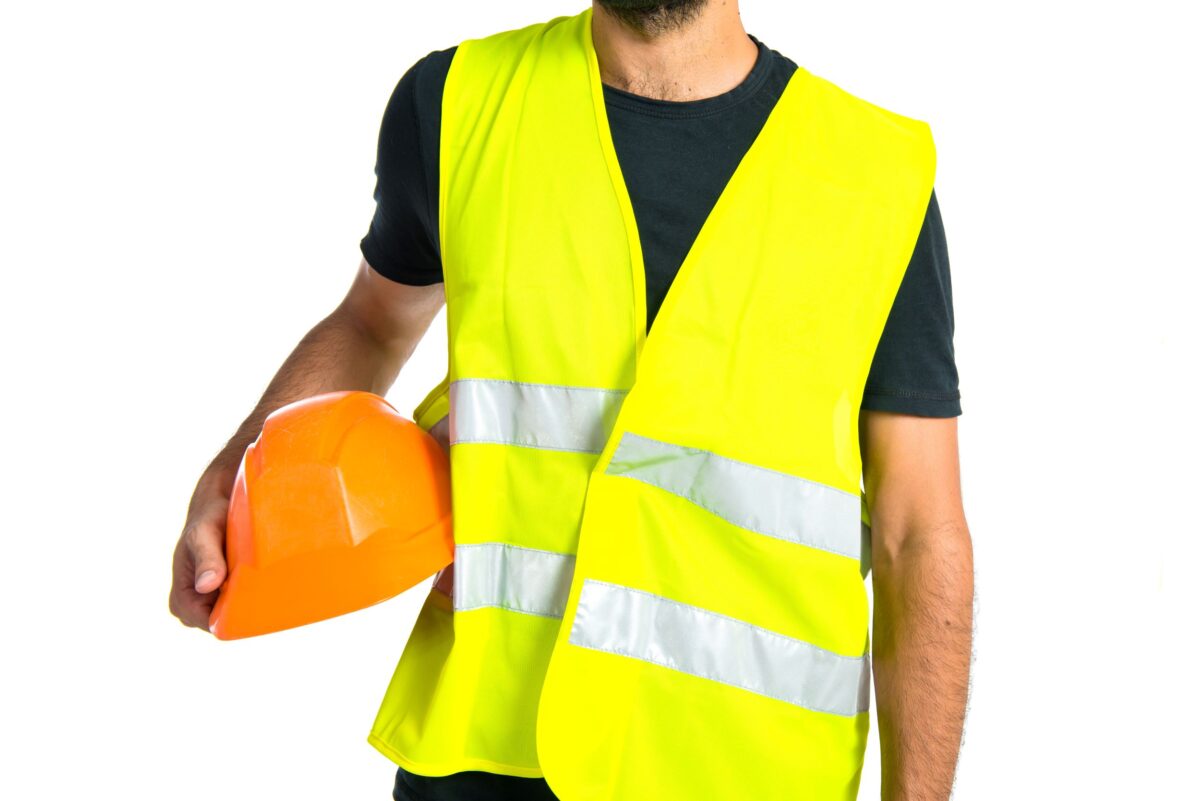
Safety clothing isn’t just about looking professional—it’s about keeping workers safe in potentially dangerous environments. It’s specifically designed to protect against hazards like falling objects, chemical splashes, and more. For example, hard hats shield workers from head injuries, steel-toed boots protect feet from heavy impacts, and high-visibility clothing ensures workers are seen in busy or dimly lit areas, reducing accidents.

Beyond personal protection, safety workwear helps businesses comply with workplace safety regulations. Choosing the right safety equipment supplier protects employees, prevents legal troubles, and avoids costly fines. For workers, wearing proper safety gear creates a sense of security and builds confidence, allowing them to focus on their tasks without unnecessary worry.

The Risks of Ignoring Safety Clothing

Skipping proper safety workwear can lead to serious risks. Without the right gear, workers are exposed to injuries like cuts, burns, falls, and chemical exposure. These aren’t just harmful to individuals—they can disrupt operations, lower morale, and drive up costs for employers through medical bills, downtime, and lost productivity.

Imagine a welder without flame-resistant clothing. They’re at high risk of burns. Or think about someone handling chemicals without gloves—chemical burns or skin damage could easily occur. Neglecting safety workwear doesn’t just result in physical harm. It can also harm a company’s reputation, giving the impression that worker safety isn’t a priority. This can make it harder to attract and retain skilled employees, impacting the organization in the long term.

Key Safety Workwear Items You Need

Workplace hazards vary, but some safety workwear is essential in almost every industry:

  • Hard Hats: Protect workers from falling objects and head injuries.
  • Safety Glasses or Goggles: Shield eyes from dust, chemicals, and flying debris.
  • Steel-Toed Boots: Guard against heavy impacts or punctures to the feet.
  • Gloves: Essential for handling chemicals, sharp tools, or hot materials.
  • High-Visibility Clothing: Makes workers easy to spot in low-light or busy environments.
  • Respirators or Masks: Protect against harmful fumes, dust, or airborne particles.

Choosing the right workwear is just as important as wearing it. The gear should fit well and be made from durable materials designed for specific tasks. So contact HAC & Sons to take care of your safety clothing concerns!

Top 10 Must-Have Lab Safety Equipment Every Laboratory Needs

Safety should always come first in any laboratory—whether it’s a research facility, a school lab, or an industrial workspace. Labs can be hazardous places with chemicals, sharp tools, and specialized equipment that require careful handling. Having the right safety equipment isn’t just a precaution; it’s essential for protecting yourself and others. Here’s a guide to the 10 most important lab safety equipment.

LAB SAFETY EQUIPMENT EVERY LABORATORY NEEDS

1. Safety Goggles or Glasses

Your eyes are one of the most vulnerable parts of your body, especially in a lab. Safety goggles or glasses protect you from chemical splashes, flying debris, and harmful fumes. Choose goggles that fit well and are made from impact-resistant materials. If you’re working with lasers or specific chemicals, make sure your eyewear meets the necessary safety standards.

2. Lab Coats

Lab coats are more than just a professional uniform—they’re a barrier between you and hazardous substances. They protect your skin and clothing from chemical splashes and stains. For extra safety, go for flame-resistant lab coats, especially if you’re handling flammable materials.

3. Gloves

Different tasks need different types of gloves. For example, nitrile gloves are excellent for chemical resistance, while heat-resistant gloves are essential when handling hot equipment. Always use gloves suited to the specific work you’re doing, whether it involves chemicals, sharp objects, or biological hazards.

4. Fume Hood

A fume hood is critical when working with hazardous or volatile chemicals. It vents harmful fumes and vapors, keeping the air safe to breathe. Regularly check your fume hood to ensure it’s working properly, and always follow safety guidelines when using it.

5. Fire Extinguisher

Accidents involving heat sources or flammable chemicals can happen without warning. Having a fire extinguisher nearby can make all the difference. Ensure everyone in the lab knows where it’s located, how to use it, and that it’s fully charged.

6. First Aid Kit

No matter how careful you are, accidents can still occur. A first aid kit is essential for treating minor injuries like cuts, burns, or chemical splashes. Keep it stocked with bandages, burn ointments, eyewash, and gloves for safe handling.

7. Emergency Shower and Eyewash Station

If chemicals come into contact with your skin or eyes, quick action is vital. An emergency shower or eyewash station helps flush out harmful substances and prevent serious injuries. Make sure these stations are accessible and in good working condition.

8. Spill Kits

Chemical spills are a common hazard in labs. A spill kit lets you clean up quickly and safely. Most kits include absorbent materials, gloves, and neutralizers for specific types of spills. Keep the kit in an easy-to-reach spot.

9. Chemical Storage Cabinets

Proper storage is just as important as careful handling. Chemical storage cabinets keep dangerous substances secure and organized. Use clearly labeled cabinets for flammable, corrosive, or toxic materials to minimize risks and stay compliant with safety regulations.

10. Signage and Labels

Signs and labels might seem minor, but they play a big role in lab safety. They provide clear warnings, mark emergency exits, and identify hazardous chemicals or equipment. This ensures everyone knows the risks and how to navigate the lab safely.

Be better prepared with the right safety equipment with HAC & Sons.

Top 10 Safety Gloves for Construction Workers: A Complete Guide


When it comes to construction work, hand protection is essential. Construction sites present workers with numerous hazards, including sharp tools, heavy materials, rough surfaces, and challenging weather conditions. Selecting the appropriate gloves for each task can mean the difference between a safe day on the job and a visit to the emergency room. Check out this important guide to discover the top 10 types of safety gloves for construction workers.

WHAT TYPES OF HAND PROTECTION GLOVES ARE AVAILABLE?

1. Leather Gloves

Leather gloves are a popular choice among construction workers. They are durable and versatile, offering excellent grip and resistance to abrasion, which makes them perfect for handling rough materials. Additionally, they provide moderate heat protection, making them suitable for tasks that involve welding or other heat-related work.

2. Cut-Resistant Gloves

Work with sharp instruments or materials requires cut-resistant gloves. Constructed from materials like Kevlar or Dyneema, these gloves offer outstanding protection against cuts and punctures while maintaining flexibility. They come in various levels of cut resistance, allowing you to select the right one based on the specific hazards of the job.

3. Impact-Resistant Gloves

Construction work often requires the use of heavy equipment, which can pose a risk of hand injuries from accidental impacts. Impact-resistant gloves are designed with reinforced padding on the knuckles and back of the hand to absorb shock and minimize injury risks. These gloves are essential for workers in high-impact settings such as demolition or framing.

4. Chemical-Resistant Gloves

Construction workers who handle chemicals, solvents, or adhesives need chemical-resistant gloves. Gloves composed of nitrile, latex, or PVC protect against dangerous compounds. They are crucial for those exposed to cleaning agents, concrete additives, or industrial chemicals.

5. Heat-Resistant Gloves

Heat-resistant gloves are ideal for welding and hot machinery work. Leather or specially treated fabric gloves protect hands against burns and heat-related accidents, allowing workers to handle heated equipment and materials safely.

6. Cold-Weather Gloves

Construction work continues even in cold weather. For those facing low temperatures, cold-weather gloves provide insulation and keep hands warm. Often made from thick, insulated materials, these gloves may also feature waterproof properties to shield against snow and rain, making them ideal for winter or outdoor projects.

7. Anti-Vibration Gloves

Power tools can create significant vibrations, which may lead to conditions such as hand-arm vibration syndrome. Anti-vibration gloves are equipped with specialized padding that helps absorb the vibrations from tools like jackhammers, drills, and saws. These gloves are crucial for workers who frequently use power tools and want to safeguard their hands against long-term injury.

8. Disposable Gloves

Although they are not usually linked to heavy construction work, disposable gloves are useful for tasks that require heightened hygiene or limited chemical exposure. Typically made from latex, nitrile, or vinyl, disposable gloves are lightweight and suitable for precision activities, such as applying adhesives or managing small components.

9. Waterproof Gloves

For construction workers facing wet conditions, waterproof gloves are indispensable. Usually crafted from rubber or PVC, these gloves keep hands dry in damp environments. Waterproof gloves are vital for tasks like concrete work, plumbing, or any job that involves extended exposure to moisture.

10. General-Purpose Work Gloves

At times, a dependable pair of general-purpose work gloves is all you need. Cotton, leather, and synthetic textiles are used to make these gloves for all-around protection. They are ideal for lighter construction tasks that carry lower risks, such as general site maintenance or handling non-hazardous materials.

Choosing the Right Safety Gloves for Your Needs

Each glove provides different protection, so choose the right one for your job. Here’s a quick guide to help match the glove to the task:

  • Handling Rough or Heavy Materials: Leather or impact-resistant gloves.
  • Working with Sharp Tools: Cut-resistant gloves.
  • Dealing with Chemicals: Chemical-resistant gloves.
  • Using Power Tools: Anti-vibration gloves.
  • Exposed to High Heat: Heat-resistant gloves.
  • Cold or Wet Conditions: Cold-weather or waterproof gloves.

FINAL THOUGHTS

So, invest in quality hand protection with industrial equipment suppliers like HAC & Sons and keep your hands safe and workday injury-free!

Types of Hearing Protection: Choosing the Right Option for You


Whether you’re on a noisy construction site, working with loud machinery, or attending a high-energy concert, using proper hearing protection can prevent irreversible damage. Here, we’ll explore the different types of hearing protection available, from earplugs to earmuffs, so you can choose the best option for your needs.

5 TYPES OF HEARING PROTECTION

1. Foam Earplugs

Foam earplugs are among the most popular types of hearing protection on the market. They are compact, lightweight, and easily portable, making them a preferred option for many people. Crafted from soft, compressible foam, these earplugs expand within the ear canal to provide a comfortable and secure fit that effectively blocks out noise.

Foam earplugs are particularly beneficial in environments where significant noise reduction is necessary, such as at a loud concert, in a factory, or even for a peaceful night’s sleep if you are sensitive to sound. They are also affordable, typically disposable, and can be bought in bulk, which is ideal for workplaces. However, proper insertion is crucial for their effectiveness, so taking the time to insert them correctly is essential for optimal protection.

2. Pre-Molded or Reusable Earplugs

Pre-molded earplugs, often referred to as reusable earplugs, are crafted from materials such as silicone or rubber and can be used multiple times. Unlike foam earplugs, which need to be compressed before insertion, pre-molded earplugs are already designed to fit most ears and do not expand once inserted.

These earplugs are an excellent option for individuals who regularly require hearing protection, such as musicians, machine operators, or even frequent concert attendees since they can be washed and reused. Although they tend to be pricier than foam earplugs, their durability and reusability can make them a more cost-effective choice over time. Many models also include a small case for easy transport, ensuring they are always within reach.

3. Earmuffs

Earmuffs are a more visible and often more comfortable choice for hearing protection, particularly during extended use. They feature padded ear cups connected by a headband, which can be worn over the head or behind the neck. Earmuffs fully cover the ears, creating a seal that effectively blocks out sound.

This type of hearing protection is commonly used in industries such as construction, aviation, and certain workshops because they are easy to put on and take off, and they don’t require as precise a fit as earplugs. Additionally, they can be paired with earplugs for added protection in very loud environments. However, due to their bulkiness, earmuffs may not be the best option in hot weather, as they can become uncomfortable with extended wear.

4. Electronic Hearing Protection

Electronic hearing protection devices, often referred to as active or electronic earmuffs, are perfect for individuals who want to safeguard their hearing without completely shutting out all sounds. These advanced devices enhance softer sounds, such as conversations or subtle background noises, while automatically lowering louder sounds to a safe level.

Electronic hearing protection is frequently utilized in shooting sports, law enforcement, and by workers who need to communicate in noisy settings, like those in construction or maintenance. Some models even come with Bluetooth connectivity, enabling you to enjoy music or take calls while keeping your ears safe. Although they tend to be pricier than standard earmuffs, their versatility can make them a worthwhile investment for those in need of enhanced hearing protection.

5. Canal Caps

Canal caps, also known as banded earplugs, are earplugs linked by a flexible band that rests under your chin or around your neck. They are designed for easy insertion and removal, making them perfect for work settings where you often transition between noisy and quieter areas.

While they don’t provide as snug a fit in the ear canal as foam or pre-molded earplugs, canal caps still offer a decent level of protection. Their convenience and user-friendly design make them a popular choice for workers who need moderate hearing protection throughout the day. Some models even feature replaceable tips, which help maintain hygiene and effectiveness over time.

CONCLUSION

We have a diverse range of hearing protection including earmuffs and ear plugs. Remember, protecting your ears today ensures you can enjoy the sounds of tomorrow, so take the necessary steps to secure your hearing health.


Fire Helmets vs. Construction Hard Hats: Key Differences Explained


When it comes to keeping workers safe, head protection is critical, especially in fields like firefighting and construction where hazards are a daily reality. Both fire helmets and construction hard hats fall under essential head protection, yet these two pieces of equipment serve vastly different purposes.

Designed for Different Hazards: Fire Helmets vs. Hard Hats

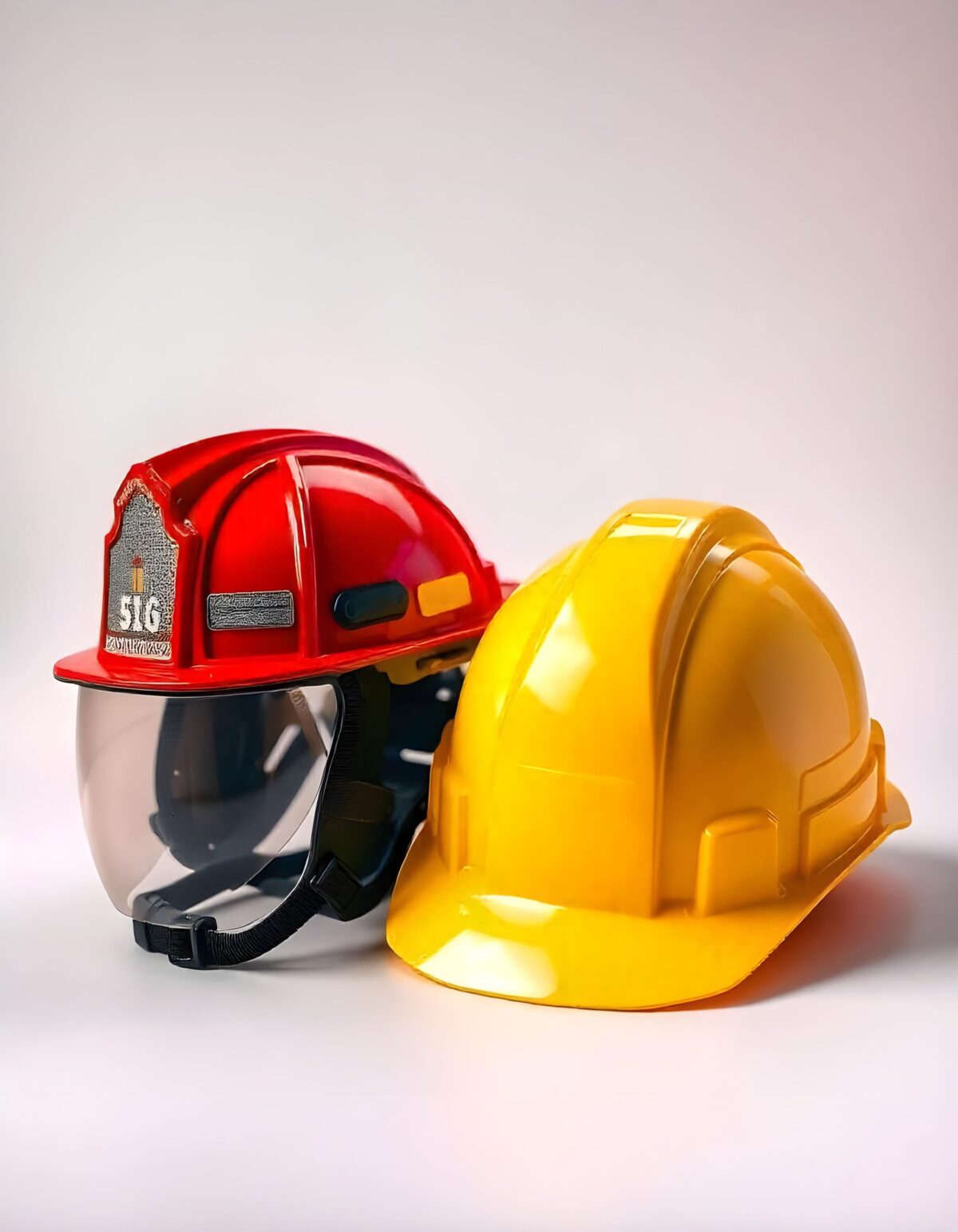
Protecting firefighters’ heads from hazards such as high temperatures, flying objects, and even water is the primary function of fire helmets. These tough designs are built to handle high temperatures and rough impacts, making them essential for any fire ground situation.

On the flip side, construction hard hats are all about keeping you safe from falling objects and debris, which are pretty common dangers on a construction site. Hard hats might not be designed for extreme heat or flames, but they do a fantastic job of protecting against impacts, keeping workers safe from head injuries on a bustling job site. It’s lightweight durability makes sure construction workers can move around easily while keeping their heads safe from any potential mishaps.

Material Differences

Fire helmets are usually crafted from materials that can withstand high temperatures, such as fiberglass, Kevlar, or even thermoplastics. The materials used in this helmet can handle temperatures reaching several hundred degrees Fahrenheit, all while keeping the wearer safe and sound. Fire helmets also come equipped with a protective visor that helps shield firefighters from sparks and debris. Plus, they feature a neck flap to keep the back of the neck safe from heat exposure.

Construction hard hats, on the other hand, are usually made from high-density polyethylene (HDPE) or other lightweight plastics. Hard hats are tough, but they aren’t designed to handle extreme heat. Their design is based on absorbing impact and spreading the force of falling items over a larger area to reduce the risk of injury. This lighter material makes them feel comfortable for those long hours, which is necessary for construction workers on extended shifts.

Structural Design: Protection and Comfort

Fire helmets have a unique look, featuring a wide brim that wraps all the way around, making them easily recognizable. This design isn’t just for aesthetics; it offers added protection from falling debris and helps channel water away from your face, when working with high-pressure hoses. Fire helmets come with an extended back, providing extra coverage and safeguarding against heat and debris that might fall from above.

When you look at construction hard hats, you’ll notice they’re pretty straightforward in their design. These usually have a narrow brim or sometimes none at all, prioritizing comfort and practicality over complete coverage. Many hard hats feature an adjustable suspension system, which helps workers get a snug and comfortable fit. The simple design makes it lightweight, letting construction workers move around effortlessly, without any hassle.

Key Safety Features and Add-ons

Fire helmets usually have extra safety features like visors, goggles, and reflective strips. These additions are essential for staying visible in those low-light situations that firefighters often face. Some models come with mounts for flashlight attachments, which aid firefighters to see clearly in smoky or dark environments.

You can customize construction hard hats with a variety of accessories like face shields, ear protection, and even neck shades to keep you safe from the sun. But usually, they aren’t made to work with heat-resistant add-ons. These accessories play a crucial role in helping construction workers tackle specific hazards on site, such as noise or debris, ultimately enhancing their safety while they work.

CONCLUSION

Both fire helmets and construction hard hats serve a common purpose: head protection. You can trust HAC & Sons for that matter. Whether you’re fighting fires or managing construction, we can provide you with all kinds of equipment and protection for those purposes!

The Essential Role of Safety Footwear in Workplace Protection


In the realm of workplace safety, one crucial element that often gets ignored is the importance of safety footwear in preventing injuries. Many industries encounter different risks, and having the right shoes can greatly lower the chances of foot and ankle injuries, which are some of the most frequent accidents on the job.

A thorough 2022 study on workplace foot and ankle injuries from the National Library of Medicine reveals some shocking statistics that emphasize the need for proper safety footwear.

The Consequences of Foot and Ankle Injuries

Injuries to the feet and ankles can cause major downtime for workers and financial setbacks for companies. The data from the study shows a concerning trend:

  • Mining: Foot injuries accounted for about 30% of all missed workdays, while ankle injuries made up around 12%.
  • Transportation/Warehousing: In this field, foot injuries led to roughly 12% of missed days, and ankle injuries were responsible for about 11%.
  • Utilities: Foot injuries in this sector resulted in approximately 17% of missed workdays, with ankle injuries at around 18%.

These statistics indicate that foot and ankle injuries are not only prevalent but can also lead to significant productivity losses, creating financial strain on businesses and negatively impacting workplace morale.

The Significance of Safety Footwear

1. Protection from Workplace Dangers

Safety footwear is specifically designed to shield workers from various risks, such as:

1- Falling Objects: Steel-toed boots can protect against heavy items that might fall, preventing serious injuries.

2- Slips and Falls: Shoes with slip-resistant soles can greatly decrease the chances of slipping in wet or oily environments, which is crucial in fields like transportation and warehousing.

3- Electrical Hazards: Electrical safety footwear can safeguard workers from shocks while they are on the job in utilities or construction.

2. Improved Stability and Support

Proper safety footwear provides the necessary support and stability to prevent injuries related to slips, trips and falls. Wearing the correct footwear can improve posture and balance, leading to fewer accidents. Footwear that fits well and provides adequate arch support is crucial, especially in labor-intensive jobs.

3. Decreasing Tiredness and Discomfort

Workplace fatigue is a major cause of accidents on the job. If shoes don’t fit properly, they can cause discomfort, which can distract workers and lower their performance. Ergonomically designed safety footwear helps minimize fatigue, keeping workers alert and aware of their environment.

INDUSTRIAL SAFETY FOOTWEAR IN PAKISTAN

HAC and Sons has been a trusted industrial equipment supplier in Pakistan for many years. We proudly present our collection of industrial safety footwear from the renowned brand ‘Safety Jogger.’ Our range features a variety of styles, designs, and materials, all while maintaining a steadfast commitment to safety. Visit our website now!