



















Why You Need a Respirator in Dusty Work Areas
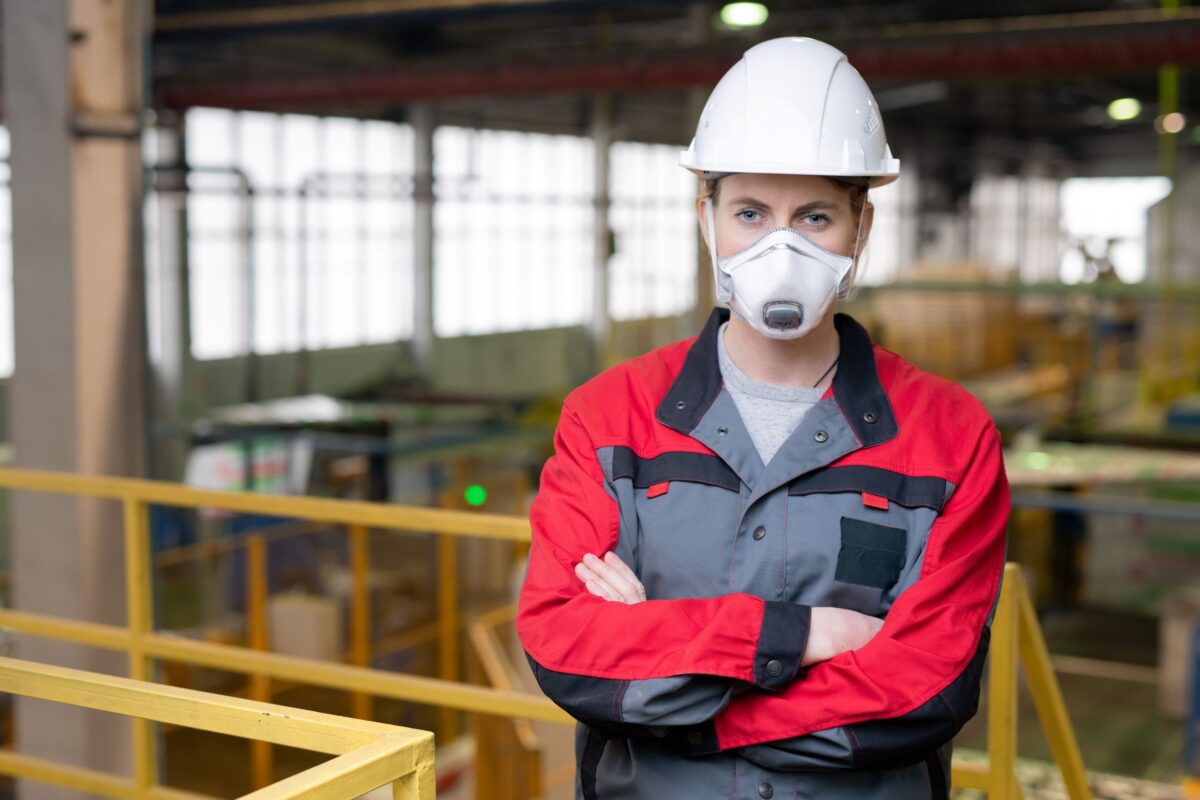
A respirator protects your lungs by filtering fine particles from the air. In dusty work environments such as construction, woodworking, or mining, small dust particles can stay suspended in the air for hours. Breathing them in repeatedly can lead to lung diseases and long-term breathing issues.
Ordinary masks or cloth coverings do not stop fine dust like silica, cement, or wood particles. A respirator creates a seal around your face and uses filters that trap invisible particles before they enter your lungs.
How to Pick the Perfect Respirator for Dust Exposure
Choosing the right respirator depends on how dusty your job is and what type of particles you face. The goal is to find one that blocks harmful dust effectively and stays comfortable for your full shift.
1. Identify the kind of dust you work around
Start with the dust itself. Every job creates different types:
- Silica dust: from concrete, tile, brick, or stone cutting.
- Wood dust: from sawing, sanding, or polishing furniture.
- Cement or plaster dust: from mixing or grinding.
If you work with silica or fine construction dust, you need a higher filtration level than for general woodworking. Knowing this first helps narrow your options.
2. Match the respirator type to your dust level
There are three main options for dusty environments:
N95 or P2 Disposable Respirator
- Good for short, light jobs like sanding or sweeping.
- It filters about 95% of airborne particles.
- Replace it daily or whenever breathing feels hard.
Half-Face Reusable Respirator with P100 Filters
- Best for regular or heavy dust exposure such as concrete cutting, grinding, or welding.
- It seals better around your face and blocks up to 99.97% of dust, including silica.
- Filters can be changed easily when clogged.
Powered Air-Purifying Respirator (PAPR)
- Ideal for long hours in very dusty or enclosed spaces.
- It uses a battery-powered fan to blow filtered air inside the mask, making breathing easier and cooler.
- If you spend all day in dust, go beyond disposable masks, they can’t maintain protection for long.
3. Pick by comfort and work duration
If you only need protection for short tasks, disposable respirators are fine.
For full-day use, pick a reusable one with soft seals and adjustable straps.
Workers who get tired or feel heat buildup should look for respirators with exhalation valves or powered airflow.
A respirator that feels comfortable is more likely to be worn properly all day.
4. Choose the right filter rating
Respirators come with filter ratings that show how efficient they are:
- N95 / P2: Filters 95% of dust, good for moderate exposure.
- P100 / P3: Filters 99.97% of dust, required for fine silica or toxic dust.
When in doubt, go with P100 as it covers all dust types and gives full protection for most industrial jobs.
5. Get the right fit
Even the best filter fails if the respirator doesn’t seal well.
Try the mask on, tighten the straps, and breathe in gently.
If it pulls toward your face without air leaks, the fit is correct.
If air leaks around your cheeks or nose, try another size or model.
6. Quick guide for common jobs
| Job Type | Recommended Respirator | Filter Type |
| Light sanding or sweeping | N95 / P2 disposable | 95% dust filtration |
| Daily construction, masonry, grinding | Half-face reusable | P100 |
| Heavy demolition, cement plants, mining | Powered respirator (PAPR) | P100 / P3 |
| Woodworking or carpentry | Half-face reusable | P2 / P100 |
How Long Do Respirator Filters Last
Filters trap dust using static charge. Over time, they clog and lose efficiency. When breathing becomes difficult or you smell dust, it’s time to replace them.
Average filter life:
- Light dust work: up to 40 hours of active use.
- Heavy dust work: 8–10 hours of continuous use.
Do not reuse disposable respirators after one full day of heavy work. Reusable respirators need filter changes every week or sooner if air feels restricted.
How to Clean and Store a Reusable Respirator
Cleaning keeps your respirator effective and comfortable.
- Wipe the facepiece with a mild soap solution after every use.
- Let it dry completely before storage.
- Store it in a sealed plastic bag or box away from sunlight and dust.
Avoid leaving it hanging in open work areas or toolboxes where particles can settle inside. With proper cleaning, a reusable respirator can last for years.
Why Some Workers Feel Tired When Wearing Respirators
Respirators add slight resistance to breathing. Workers who move continuously or work in hot environments may feel tired faster.
Choose respirators with exhalation valves or powered fans to make breathing easier. PAPRs are best for those working in confined or dusty areas all day because they deliver steady airflow and reduce heat inside the mask.
Common Mistakes to Avoid When Using a Respirator
Small habits can reduce protection without you realising. Avoid:
- Wearing it loosely for comfort.
- Reusing disposable masks beyond their limit.
- Keeping respirators in dirty or wet places.
- Forgetting to replace filters regularly.
Keep a simple replacement schedule. For example, mark filter changes every Monday or after two full shifts in heavy dust.
When to Replace or Upgrade Your Respirator
Replace or upgrade your respirator if:
- Breathing feels restricted even with new filters.
- Straps or seals lose elasticity.
- You change to a new job with higher dust exposure.
- Filters are hard to find or expired.
If your work now includes fumes or gases, upgrade to combination filters for both dust and vapours.
Conclusion
To choose the correct respirator, you need to know what kind of dust you’re dealing with, how long you’ll be exposed to it, and how comfortable it needs to be. Long-term safety depends a lot on the right fit and maintenance schedule.
HAC & Sons sells certified respirators and filters that meet safety standards around the world. We help businesses and workers choose the best way to protect themselves from dust.
Get in touch with HAC & Sons to find the best respirator for your dusty job site.