

























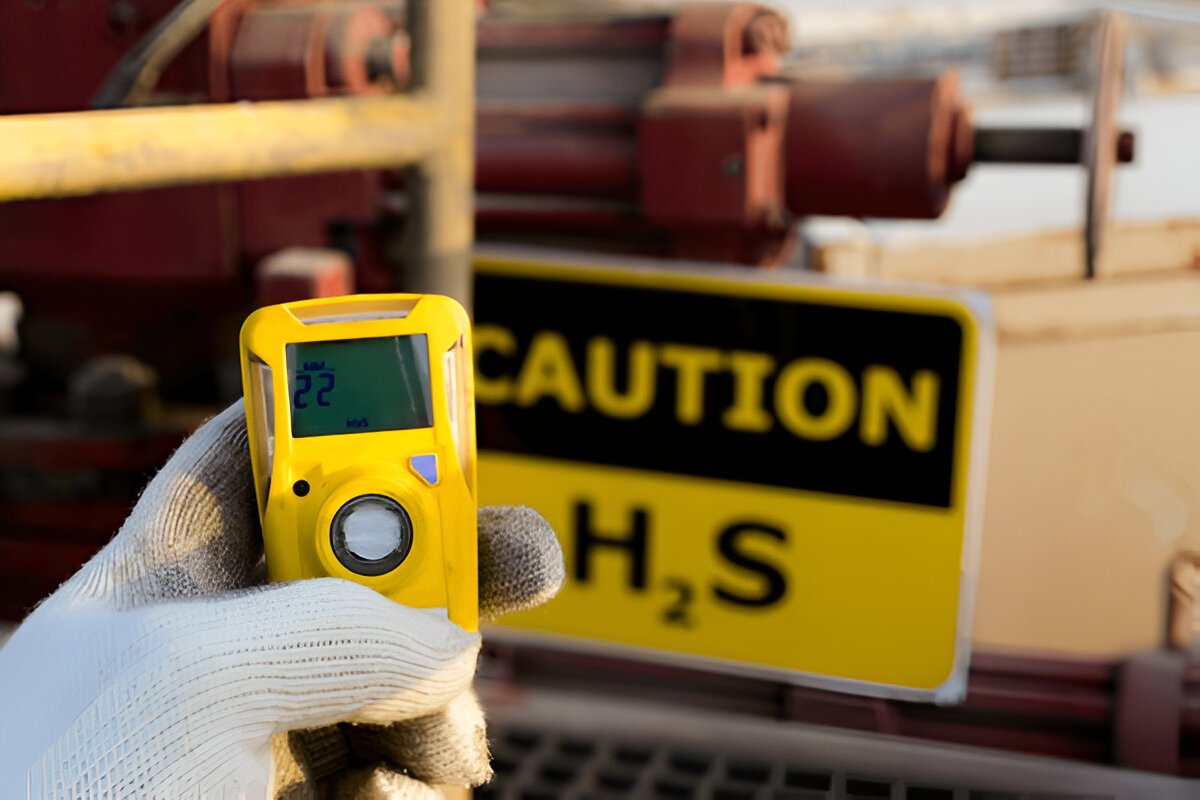
A portable gas detector makes it easy to find gas leaks in your home. It can detect harmful gases like methane, propane, or butane and warn you with sound or light before they reach dangerous levels.
This guide tells you how portable detectors work, how to use them correctly, what signs to look for, and how to keep your home safe from leaks.
Why Use a Portable Gas Detector for Home Safety
A portable gas detector offers flexible protection. You can take it with you around the house, near stoves, gas cylinders, or heaters, and check for leaks right away.
It doesn’t need to be installed like fixed detectors do. All you have to do is turn it on, hold it near the places you think might be dangerous, and wait for readings or an alarm. This makes it perfect for checking LPG cylinders, small kitchens, or quick safety checks.
How a Portable Gas Detector Detects Natural Gas Leaks
Portable detectors use sensors to sense gas particles in the air.
Main types of sensors:
- Semiconductor sensors: These sensors look for gas leaks by seeing how the air changes when gas is present. The sensor goes off when gases like methane or propane touch it. Because they are quick and reliable, they are common in home and portable gas detectors.
- Infrared sensors: Infrared sensors detect gas by sending out a small beam of light. The detector knows there is a leak when gas goes through the beam and blocks some of the light. They work well in kitchens and other rooms that are humid because moisture doesn’t bother them too much.
- Catalytic bead sensors: These sensors have tiny heated beads inside. When gas touches them, it burns slightly and changes temperature. The detector senses this and shows a warning. They are usually used where strong accuracy and safety are needed, like in factories or high-end detectors.
When gas levels rise, the detector shows a reading or triggers an alarm. Some models also display the gas concentration in parts per million (ppm) for easy monitoring.
How to Use a Portable Gas Detector at Home
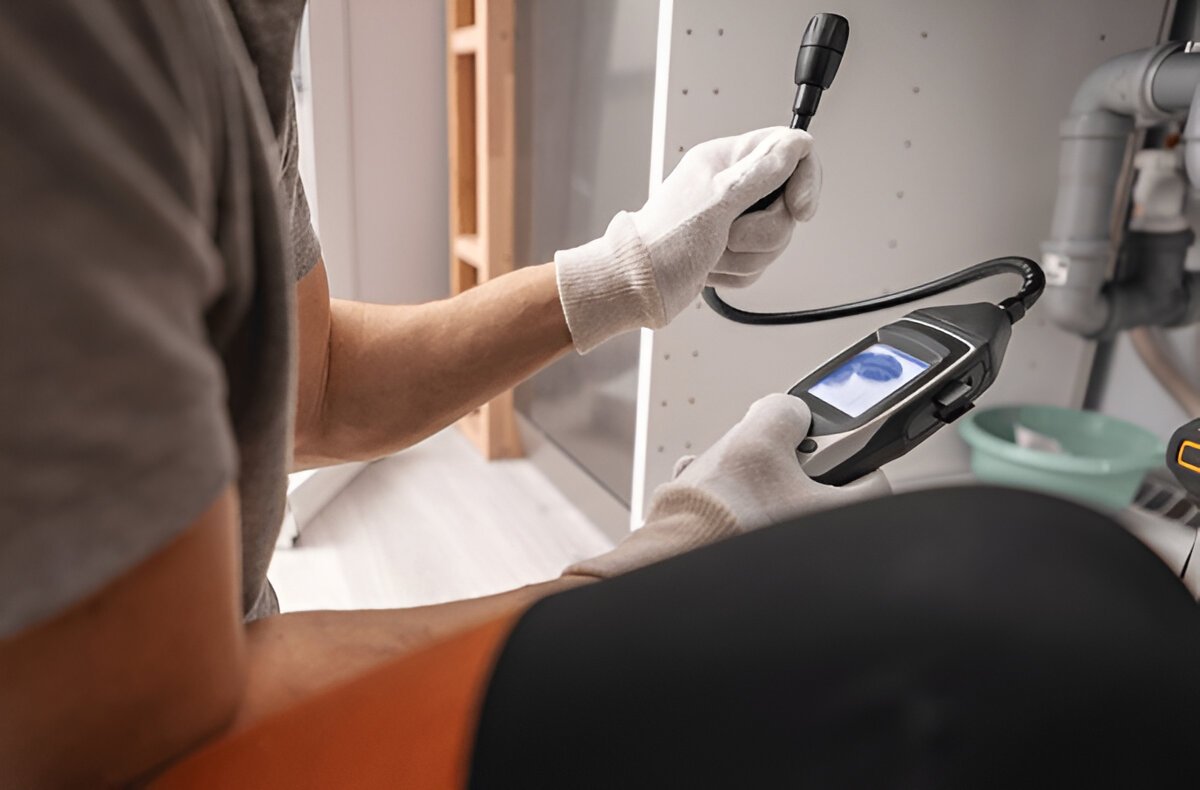
To get the right results, do these simple things:
- Turn on the detector and let it warm up for a few seconds.
- Keep it close to gas sources like valves, pipes, or stove burners.
- Move slowly around corners and joints. Don’t wave it too quickly.
- Keep an eye on the alarm or display. If you hear a beeping sound or see a reading go up, there is a leak.
- If you find a leak, turn off the gas supply right away and open the windows to let in fresh air.
Signs of a Gas Leak Even Before Using a Detector
Even if you don’t have a detector, keep an eye out for these warning signs:
- The smell of rotten eggs (mercaptan added to gas)
- Pipes or cylinder valves making a hissing noise
- Strange yellow or orange flames coming from the stove
- Houseplants that are dying or windows that are foggy
- Feeling dizzy or lightheaded inside
If any of these show up, check with your portable detector and act right away.
 Conclusion
A portable gas detector is a simple way to make your daily life safer. It helps you find leaks early, check the gas levels, and feel sure that your home is safe. Regular small checks can make a big difference in keeping accidents from happening.
HAC & Sons provides reliable portable gas detectors that are safe to use in your home every day. Look through our selection and always have a reliable safety tool on hand.