
























What Is a Gas Detector and Why It’s Important
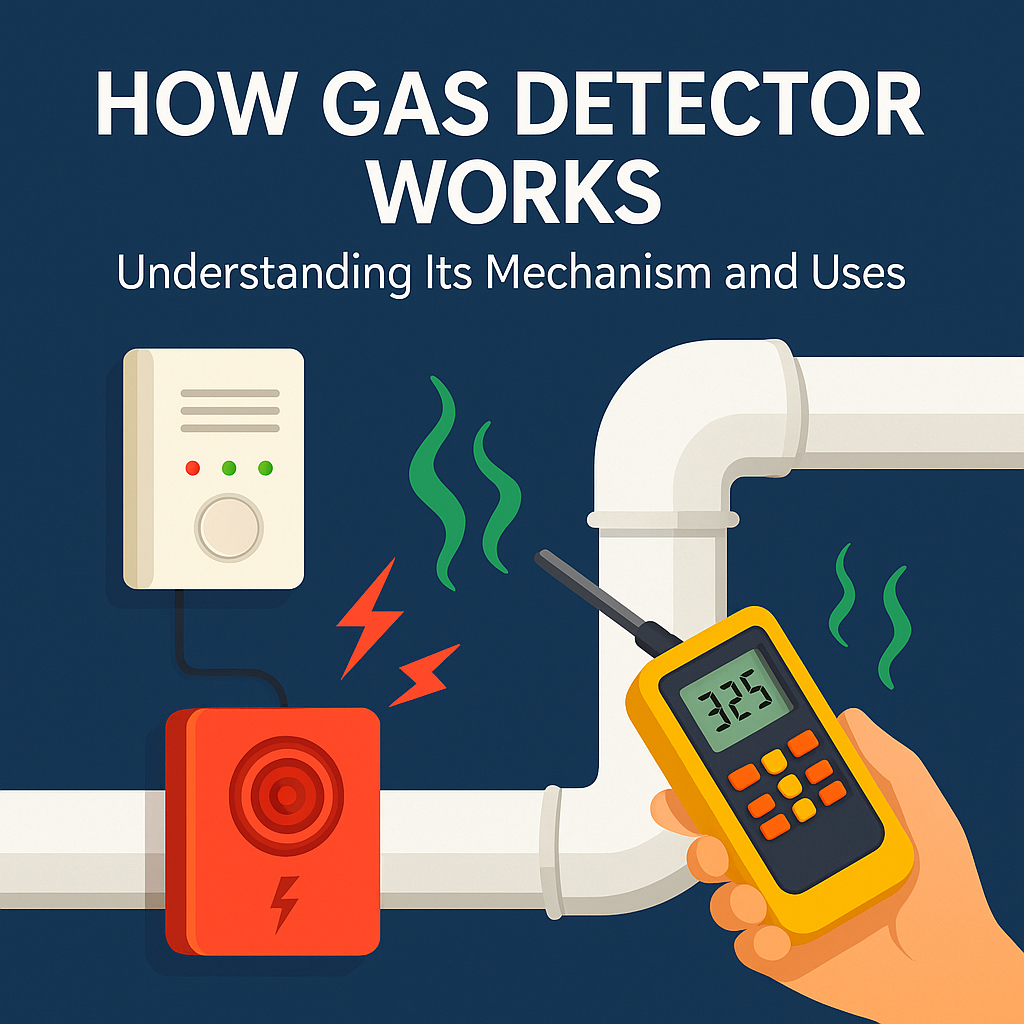
A gas detector is an electronic device that detects the presence of harmful gases in the atmosphere. These harmful gases are identified by sensors, when these sensors detect a dangerous level of a specific gas an alarm is raised to alert the people in that surrounding area.
Gas detectors are an essential safety device, they can save lives and property from gas explosions and accidents that can take place at homes, offices, and industrial areas. Leaking of small amounts of gases, such as LPG, natural gas, carbon monoxide from any point can also cause fires and explosions or can be life-threatening.
Gas leaks in chemical plants, oil and gas refineries, mines are very common, which are mostly lethal if not detected. Gas leaks can also cause many accidental deaths. A reliable gas detector complies with global safety standards, it is quality-tested and calibrated for its safety and accurate detection.
What Are Gas Detectors Used For
Gas detectors are used at various locations.
Industrial locations include oil and gas plants, chemical manufacturing units, mines, and construction sites. They are used to detect the presence of explosive, toxic, or harmful gases. Early warning to the workers help in averting accidents, and maintain safe workplaces.
Commercial locations include hotels, hospitals, shopping malls, and offices. These are used to detect the presence of carbon monoxide, natural gas, or other toxic gases due to leakage, and avert harm to the public.
In households, they are used to monitor LPG, natural gas, and carbon monoxide. Gas leakage even in small amounts can prove to be dangerous. A gas detector for home usage helps in safeguarding family members and provides peace of mind.
 Do You Need a Gas Detector at Home
Gas detectors are needed in the home. In fact, a large percentage of residential homes use gas for one reason or another. The most common home gas dangers are LPG, natural gas and carbon monoxide. Carbon monoxide is of particular concern because you cannot see or smell it.
Single gas detectors in the home allow you to detect one particular gas, such as carbon monoxide. Multi-gas detectors allow you to monitor multiple gases. Just use the gas detector(s) that works best to keep your family safe.
A gas detector provides an additional safety measure for your home. It could help avoid injury, property damage, or even death if it alerts you before the gas becomes a problem.
How Gas Detectors Work
Gas detectors work with sensors, sampling system and alarms. The gas gets to the sensor and if it’s over a safe limit, the alarm will sound.
Gas detectors can be used to monitor toxic gas, flammable gas, or oxygen depletion (level). A gas detector may also be set to warn if oxygen levels are too high or too low. The sensor measures the gas concentration and is compared to preset safe limits. If the concentration goes above the limit, the alarm will alert individuals to take immediate action.
Types of Gas Detector Sensors
Electrochemical Sensors
Electrochemical sensors can sense toxic gases and oxygen. The sensor generates an electric current when a gas interacts with it. They are utilized for CO or oxygen detection in residential and industrial locations. These sensors are accurate and sensitive but can be sensitive to harsh environments and have a shorter lifespan.
Catalytic Bead Sensors
Catalytic bead sensors are used for flammable gases. The gas is oxidized on a heated bead and produces a signal. These sensors are used for LPG, methane, and natural gas detection. The sensors output the concentration as a % of the lower explosive limit (%LEL). The sensors need maintenance to keep them working accurately.
Infrared (NDIR) Sensors
NDIR sensors are used for hydrocarbon and carbon dioxide detection. They function on the principle of infrared light absorption for sensing gas. NDIR sensors have a longer lifespan and are more stable than catalytic sensors. NDIR sensors are also less susceptible to sensor poisoning. NDIR sensors are used in high gas concentrations and areas with a risk of sensor poisoning.
Photoionization Detectors (PID)
PID sensors are used for volatile organic compound (VOC) detection. The sensors use ultraviolet light to ionize gas molecules and measure the current. They are ideal for chemical plants, industrial process monitoring, and environmental safety. PID sensors are sensitive but cannot detect all gases.
Which Sensor Can Detect LPG Gas
Catalytic bead sensor or NDIR sensor are commonly used for detection of LPG and propane. The catalytic sensor has a faster response time and NDIR is more stable with less prone to poisoning. The choice of sensor for detecting gas depends on the gas and the surrounding atmosphere.
Detecting Gas Leaks at Home
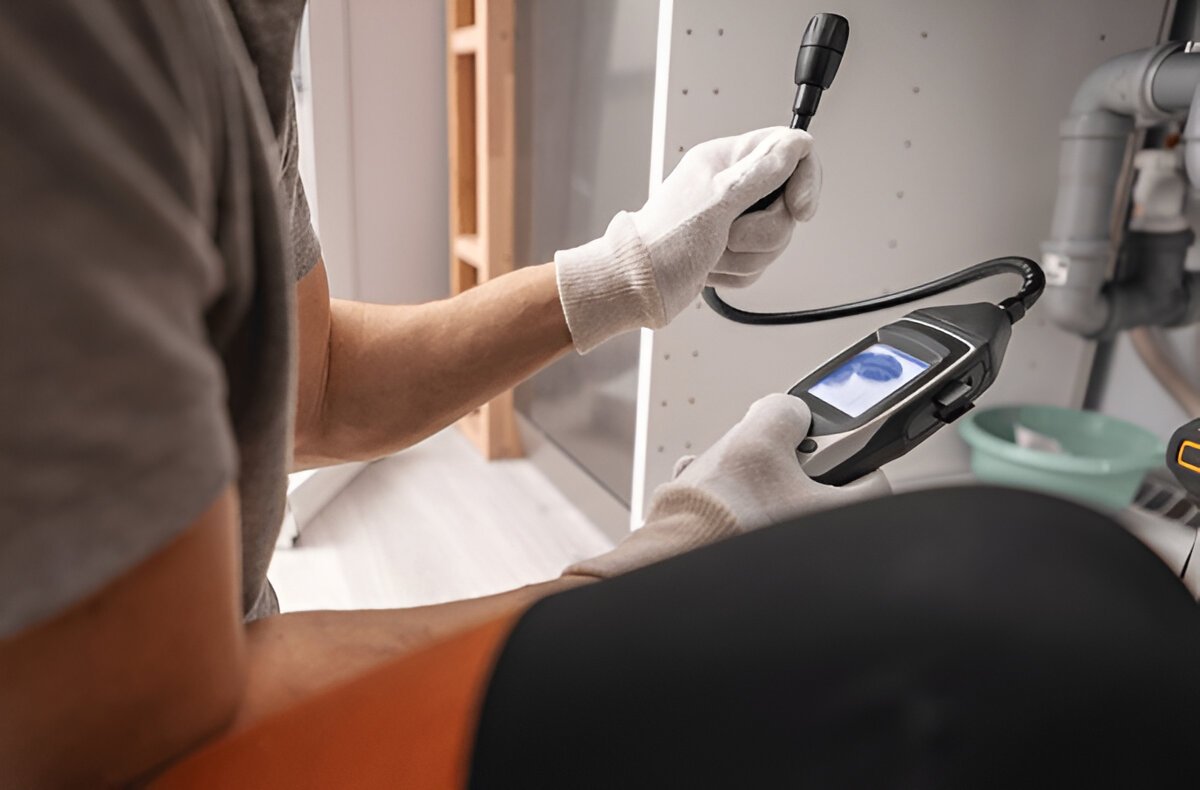
Gas leaks may be detected manually. You can smell for unusual odors, listen for a hissing noise, or apply a soap solution to pipes to detect leaks.
Gas detectors provide an easier and safer way to detect gas leaks. In case of LPG leaks, one should open windows, switch off gas supply and vacate the premises. Flames must not be used to identify a leak. Also, electrical appliances must not be switched on when a gas leak is suspected.
What Gases Do Detectors Measure
Gas detectors detect levels of oxygen, flammable gases, toxic gases, VOCs and carbon dioxide. They measure the presence of oxygen deficiency, flammable gas percentage and dangerous gases such as carbon monoxide, hydrogen sulfide, ammonia, sulfur dioxide, and chlorine for safe air quality.
How Accurate Are Gas Detectors
Accuracy depends on the sensor type. Electrochemical sensors are precise for toxic gases, catalytic sensors detect flammable gases quickly, and NDIR sensors are stable over time. Accuracy can be affected by temperature, humidity, and other gases. Regular calibration ensures detectors remain reliable.
Advantages and Disadvantages of Gas Detectors
| Advantages of Gas Detectors | Disadvantages of Gas Detectors |
| Provide early warning of gas hazards | Require regular calibration |
| Save lives by preventing accidents | Limited to detecting certain gases only |
| Help prevent property damage | Sensitive to environmental conditions |
| Useful in homes, offices, and industries | Sensors may get poisoned or damaged over time |
| Increase workplace and household safety | Maintenance and care are necessary for reliable performance |
Choosing the Right Gas Detector
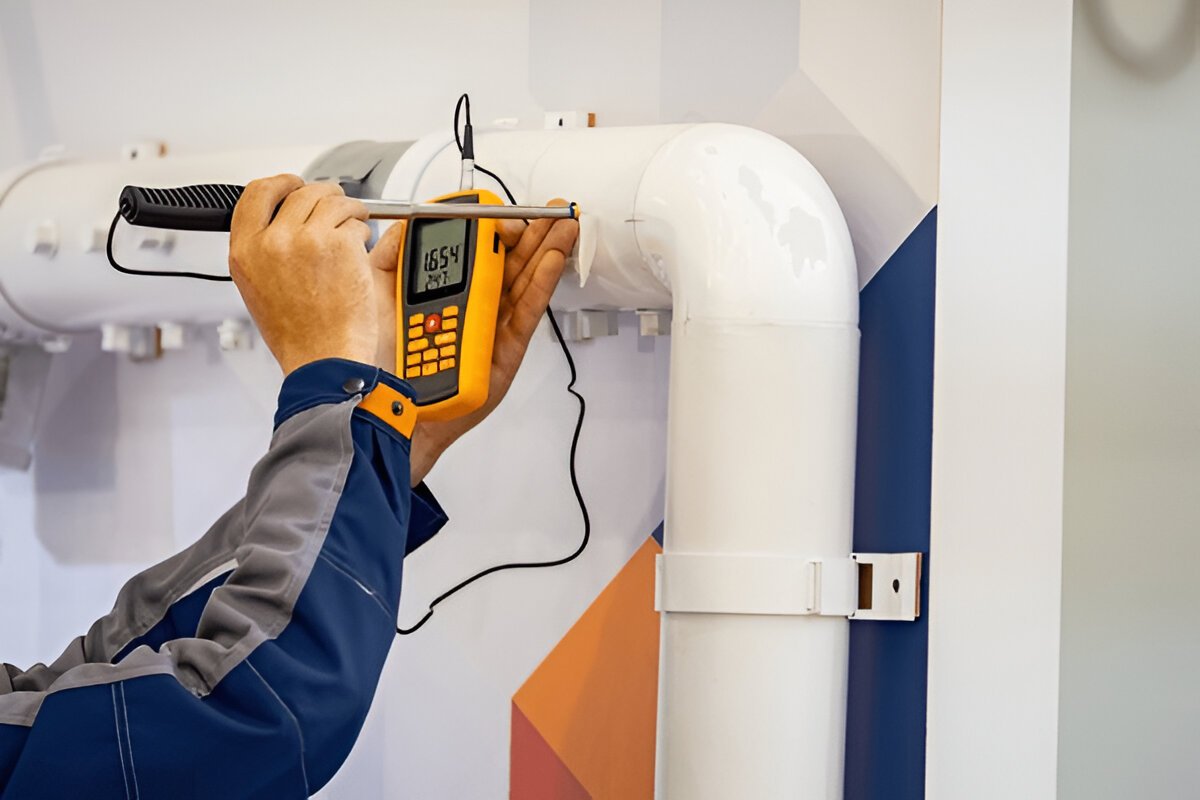
Choose a gas detector based on your needs. Portable detector are suitable for mobile workers while fixed detectors are for areas which need continuous monitoring.
Homes require single gas/multi-gas detectors for LPG and CO.
Industrial usage may require a combination of detectors based on the type of gases and risks involved.
Calibration and Maintenance
Gas detectors are required to be bump tested and calibrated periodically. The detectors are often calibrated between three and six months. Cleaning, proper storage and sensor replacement can lengthen life and improve accuracy.
Safety Tips for Using Gas Detectors
Place your gas detectors detectors near sources of gases, at breathing level. Test for oxygen levels first in enclosed spaces. Monitor the sensors frequently and don’t obstruct them. This will ensure the detectors are functional and maintain safety.
 Conclusion
Gas detectors can keep people, property and work areas safe from the harmful effects of hazardous gas leaks. Detectors installed in homes, offices, factories and refineries, can give life-saving early warning of fires, and help prevent expensive property damage. Proper maintenance, calibration, and placement will ensure devices continue to function properly.
Need a trusted gas detector for your home or office? Need it for your industrial site? Hac & Sons can help you with that. We can help you get trusted gas detectors as well as the service and support you need to stay safe and compliant. Call us today and ensure that your space is always protected.