





















Why Hand Protection Is Important
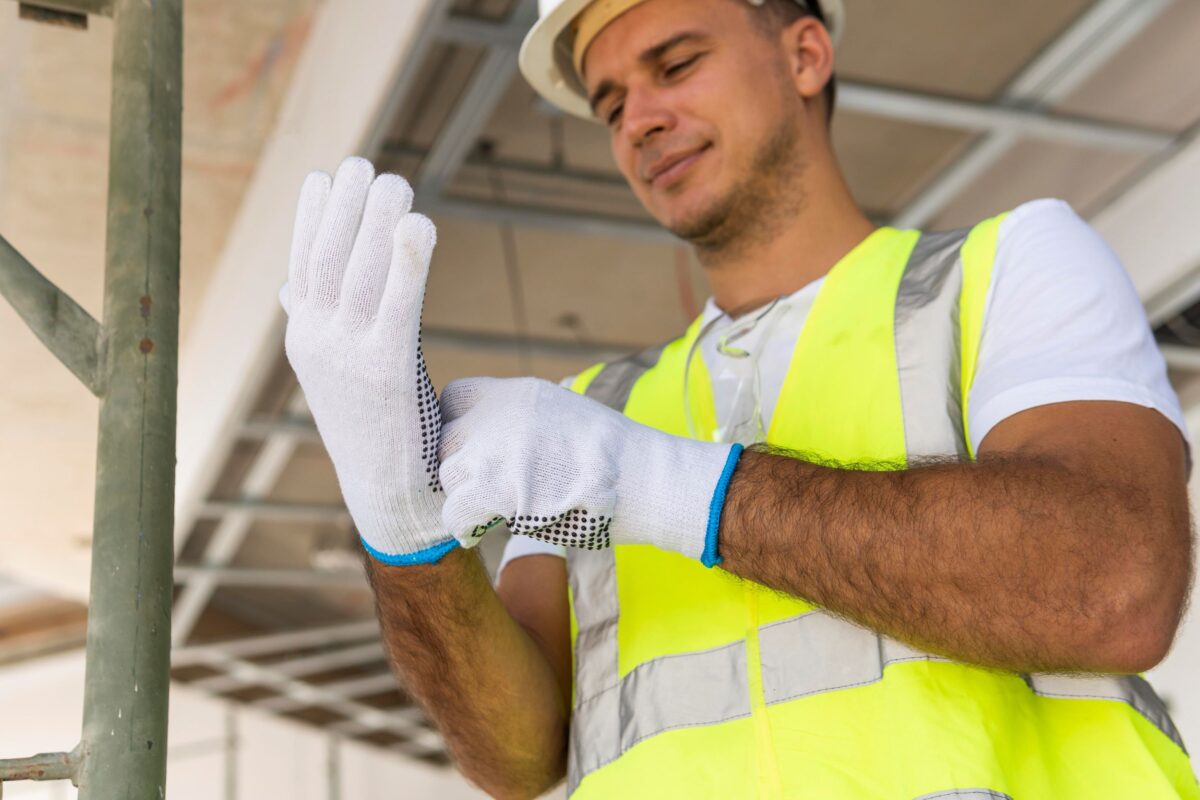
Hands are the most used and exposed body part in any workplace. Lifting, cutting, handling chemicals and working with equipment are all day-to-day activities that put hands at risk. Cuts, burns, punctures and chemical exposure are all leading causes of lost time incidents and many of these cases can be easily avoided with the right protection in place.
Hand protection can be a significant factor in preventing these accidents from occurring. Wearing the correct pair of gloves when needed is like having an extra layer of skin that is designed to protect against hazards such as sharp edges, hot surfaces, toxic chemicals or even electric current. Without hand protection, any day-to-day workplace accident has a much greater potential of causing temporary or permanent disability.
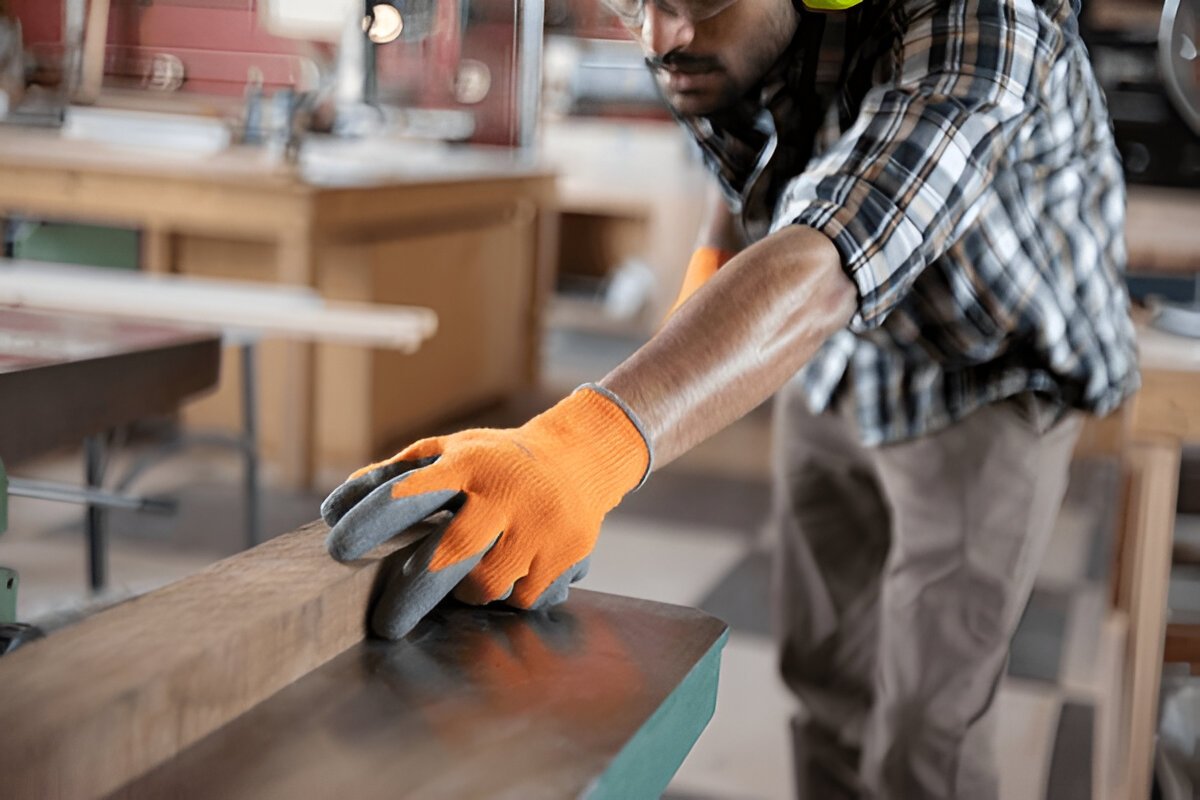 There are many industries where protective gloves are necessary including construction work, manufacturing, food processing, chemical handling and electrical work. Workers in these sectors are often required to use sharp tools, handle molten metal, corrosive liquids or come into contact with live electrical wires. Without the appropriate pair of safety gloves, an accident can occur very easily resulting in injury or worse.
By providing workers with appropriate gloves, the risk of injury and lost time incidents can be significantly reduced, in turn increasing productivity as workers feel safer and more confident when completing tasks.
Types of Hand Protection and Their Uses
Different jobs require different types of gloves, and understanding which type suits each task can prevent accidents. Here are some of the most common glove types and their applications.
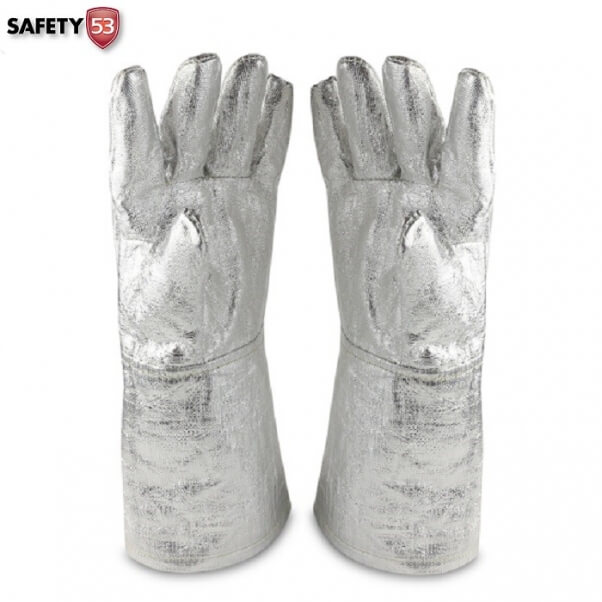
Aluminized Fire Gloves
Aluminized fire gloves are heat resistant gloves used in areas of extreme heat. Foundries, welding stations, firefighting, and metalworking plants are just some of the places that require aluminized gloves. The highly reflective outer coating is an insulator against radiant heat, allowing workers to manipulate high-temperature substances.

Cut-Resistant Gloves
Cut-resistant gloves are a hand protection from cuts and sharp edges. They’re made of high-tech fibers like Kevlar, Dyneema, or HPPE. They are used on construction sites, in the glass handling industry, or metal fabrication workshops. Cut-resistant gloves minimize the risk of deep cuts and punctures while still allowing full hand mobility.
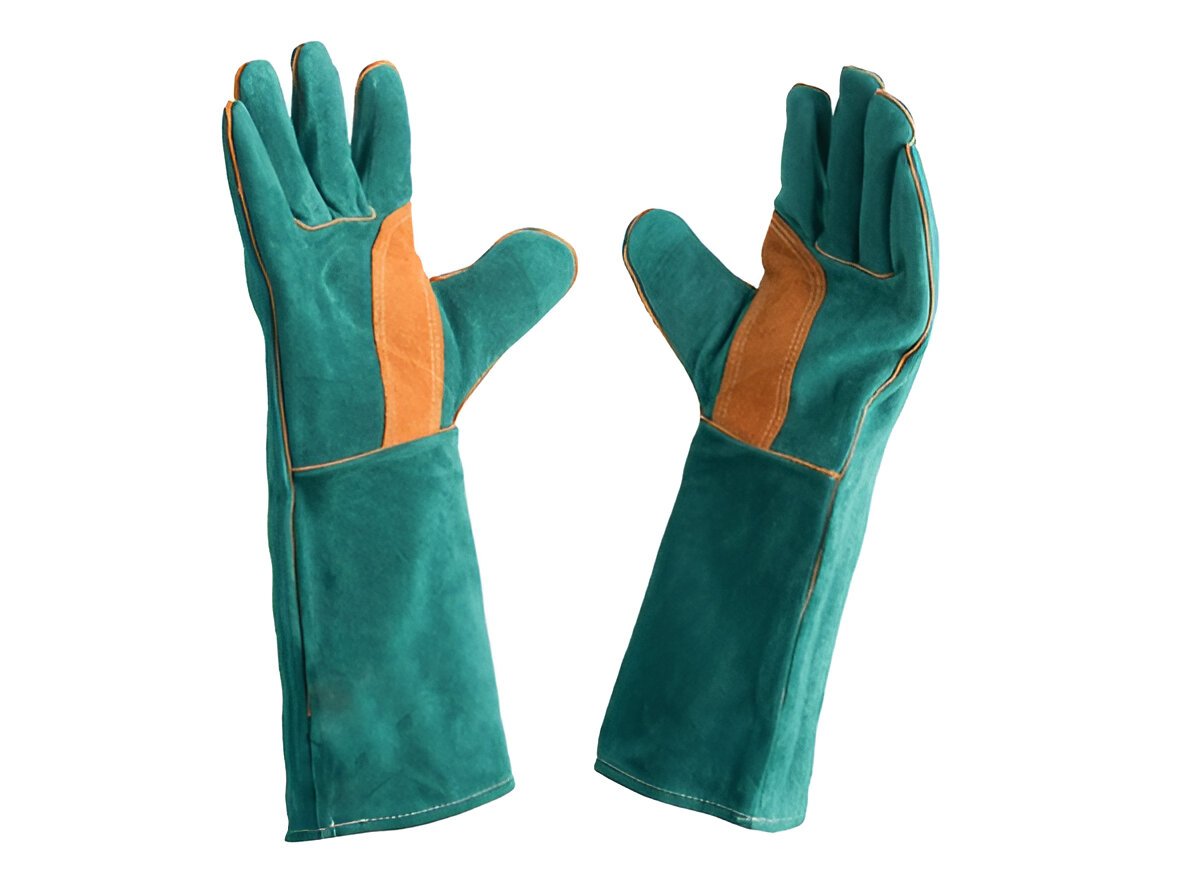 Heat-Resistant Gloves
Heat resistant gloves are used in direct contact with high temperatures. They are designed to protect the user in industrial kitchens, bakery industry, foundries, and thermal treatment facilities. Heat resistant gloves are used to protect against burns due to their insulating properties.
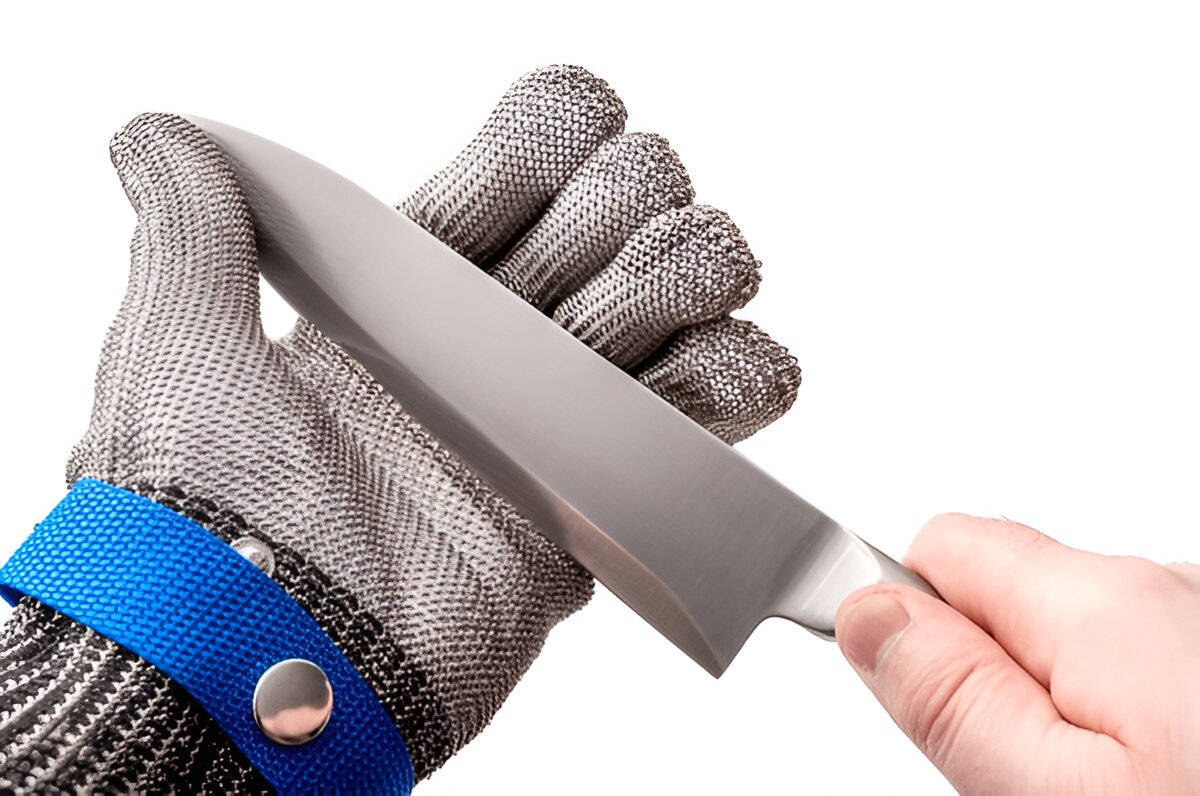 Wire Mesh Chainmail Gloves
Stainless steel mesh gloves or wire mesh chainmail gloves offer the highest level of cut protection. These gloves are very popular in meat processing plants where workers use knives for hours on end. They are also common in glass cutting and any industrial setting where sharp edges are an everyday hazard. They are also surprisingly dexterous so you can still use them for precision work.

Industrial Safety Leather Work Gloves
Leather gloves are a good choice for heavy-duty work. They’re durable, abrasion-resistant, and comfortable for construction, mechanical repair, and manufacturing. Leather gloves are great for friction, rough surfaces, and light impact.

Anti-Slip Waterproof Protective Gloves
Jobs with liquids, oils or chemicals should always be performed with waterproof protective gloves. They provide a good grip and keep the hands from getting slippery. Employees in cleaning, fishing, outdoor building and working with chemicals benefit from its moisture resistant properties and ability to have a good grip on tools.

Electrical Working Gloves
Electrical working gloves are insulated gloves used to protect the wearer from electrical shock and burns. Electricians, power line installers and repairmen, and maintenance workers who may have to work on or near live circuits use these gloves. They are tested and rated according to safety standards for various voltage levels. The user should ensure the correct class of glove is selected for the job.
Choosing the Right Hand Protection
Choosing the right glove is not always as simple as buying a pair from a shelf. An employer must first identify potential risks in the workplace, including sharp objects, chemicals, or electricity. Gloves can then be selected based on the level of protection they provide, their comfort and fit for the task at hand.
Material is a major factor in the glove’s effectiveness. Leather, for example, is durable and resistant to wear and tear, while synthetic materials may offer cut resistance and rubber gloves can protect against chemical exposure. The glove must also fit the wearer properly, providing flexibility without being too loose or restrictive.
International safety standards provide useful guidance:
EN 388: This standard covers mechanical risks, including cuts and abrasions.
EN 407: This standard is for thermal risks.
EN 374: This standard is for chemical risks and resistance to microorganisms.
IEC 60903: This is the standard for electrically insulating gloves.
Some gloves have ratings that indicate their level of cut, puncture, heat or chemical resistance.
Proper Care and Maintenance of Safety Gloves
Good gloves are no good if they are not well taken care of. Depending on the material, they must be cleaned in different ways. Leather gloves should be wiped clean and conditioned, but synthetic or rubber gloves may often be washed in mild soap and water. Gloves made with stainless steel mesh might require sterilization, especially when used in food processing, to prevent bacteria build-up.
Storing your gloves properly is also necessary. Gloves should be stored in a clean, dry place away from direct sunlight and chemicals that can degrade the material. Heavy objects should not be stored on top of them to prevent deforming the gloves’ shape.
Regular inspection is a must. You don’t want to be using gloves with visible wear, tears, or thinning areas that should be replaced immediately. While some gloves can be repaired, such as re-stitching leather, others like cut-resistant or insulated gloves must be thrown away once damaged to ensure safety.
Best Practices for Workplace Hand Safety
Gloves are only one part of an overall safe working environment. It’s important for businesses to train employees on how to select and use the right type of glove. A worker wearing the wrong glove to do a particular task may still be injured, despite being “protected.”
Safety policies should include clear guidelines for using the proper PPE (personal protective equipment) such as gloves, helmets, goggles, and aprons. Routine inspection and safety audits will flag potential hazards before they cause injuries.
Employers should also encourage reporting. Hand injuries, even minor ones, should be recorded and reported so remedial action can be taken. Workers who see defects in gloves or tools should be encouraged to report the issue immediately. This will help prevent small problems from becoming big accidents.
Final Thoughts
Hands are involved in the vast majority of tasks across all job types and for this reason, hand protection should never be an afterthought. The right pair of gloves can prevent injuries, build confidence, and maintain productivity levels. From cut-resistant and heat-resistant gloves to chemical and electrical protection, there is a glove for every task. Employers can save money by purchasing quality gloves and providing proper training to their employees which will result in fewer injuries and a more positive and productive workplace overall.
Safety Starts with the Right Gloves
Protecting your workers’ hands is protecting your business. Hac & Sons makes it easy with high-quality safety gloves designed for every hazard. Reach out today and let’s keep your workforce safe.