
























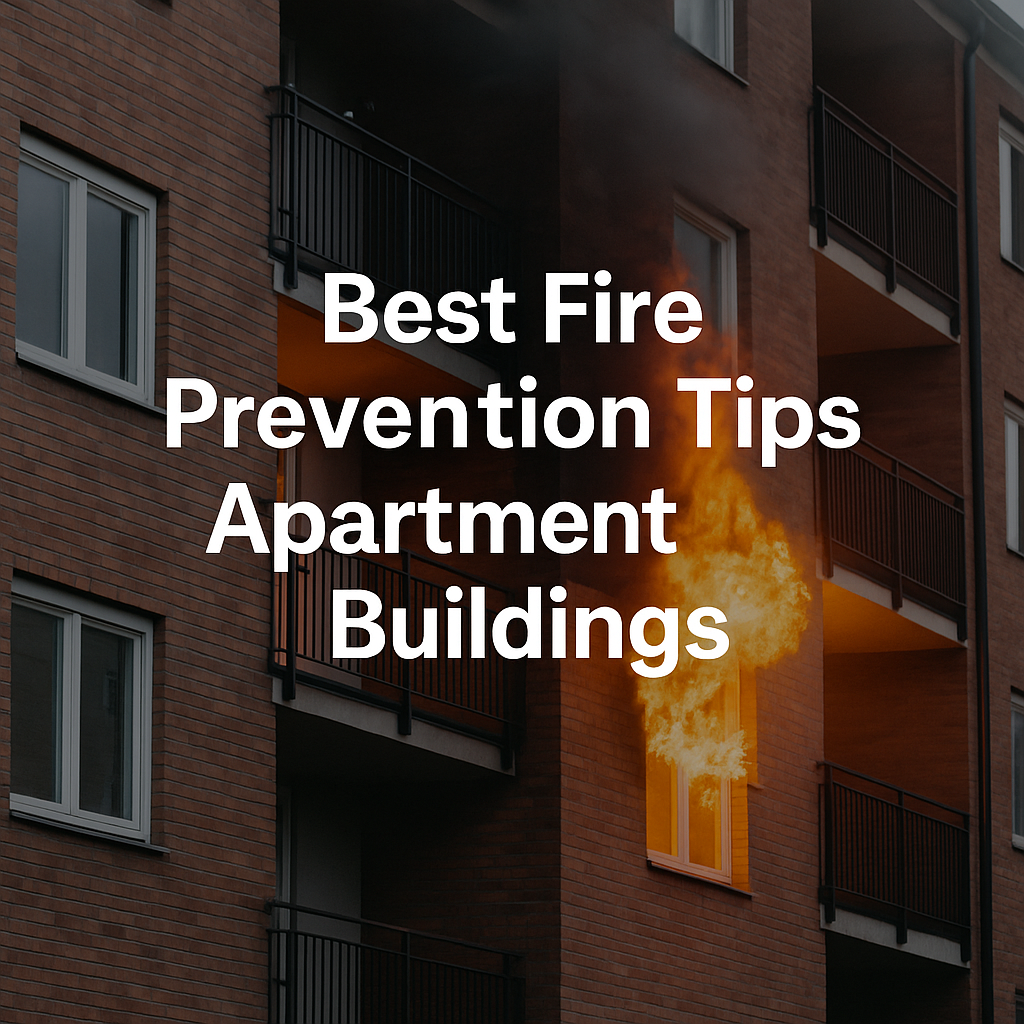
Apartment fires spread faster than most people realise. Shared walls, ducts, and stairways can carry heat and smoke from one flat to another in minutes. Understanding how fires start, how to stop them early, and how to respond can save lives. This guide covers every practical fire prevention tip for apartment buildings that residents and property managers should know.
What Causes Fires in Apartment Buildings?
Most apartment fires start from everyday mistakes. Common causes include:
- Unattended cooking or overheated oil
- Faulty wiring or overloaded sockets
- Smoking indoors
- Portable heaters placed near curtains or furniture
- Candles and incense left burning
Fires spread quickly in shared buildings because of ventilation shafts, false ceilings, and connected electrical circuits. Older structures with outdated wiring or missing fire barriers are at higher risk.
How Do Smoke Alarms and Fire Detectors Save Lives?
Smoke alarms give the earliest warning before flames spread. A working alarm can reduce the chance of death in a fire by over 50%.
Always check:
- Expiry date: Alarms lose sensitivity after 8–10 years. Replace them when expired.
- Monthly tests: Press the test button once a month.
- Type of alarm: Use a photoelectric alarm in kitchens and hallways. It detects slow, smoky fires faster than ionisation alarms.
- Power backup: Choose alarms with sealed lithium batteries lasting ten years or hard-wired units with backup batteries.
Ask building management to test common-area alarms every few months.
 How Can Cooking Fires Be Prevented?
Cooking causes the majority of residential fires. Oil ignites at around 315 °C, and once burning, it can double in intensity within seconds.
Practical tips:
- Never leave pans unattended while heating oil.
- Keep towels, packaging, and paper away from the stove.
- If oil catches fire, switch off the heat and cover the pot with a metal lid—never use water.
- Clean the range hood and filters monthly to remove grease.
- Install small stove-top temperature sensors that cut power if the surface overheats.
These devices are common in countries like Japan and have prevented thousands of kitchen fires.
Why Electrical Safety Matters in Every Apartment
Electric faults can start hidden fires behind walls or floors. Shared wiring across units increases the risk.
Follow these simple checks:
- Use surge-protected power strips for heavy appliances.
- Avoid running extension cords under rugs or furniture.
- Unplug devices that are not in use overnight.
- Report warm outlets, flickering lights, or burning smells immediately.
If your building is old, request a wiring inspection every five years. Aluminum wiring, still present in some older apartments, can loosen over time and cause sparks.
What Fire-Safety Habits Reduce Daily Risks?
Daily behaviour affects fire safety as much as equipment. Keep fabrics, paper, and chemicals away from heat sources. Do not hang clothes over heaters. Vacuum behind large appliances to remove dust, which can trap heat.
Keep fire doors closed at all times. These doors are designed to block flames and smoke for 30–60 minutes. A closed door can stop fire from reaching another floor.
Replace damaged plugs, chargers, and cables immediately. Even a small exposed wire can cause a spark if moisture or dust collects on it.
What Should You Do If a Fire Starts?
If a small fire begins inside your apartment:
- Turn off the heat source or electricity.
- Smother the flames with a lid or fire blanket.
- Call emergency services even if the fire seems out.
If flames or smoke spread:
- Leave immediately, closing the door behind you.
- Stay low to avoid smoke.
- Use stairs, not elevators.
- If the hallway is filled with smoke, stay inside, seal the door gaps with wet cloths, and move to a window for visibility.
Firefighters locate trapped residents first, so keeping your position visible and calm helps them reach you faster.
How Should Buildings Maintain Fire Systems?
Apartment fire safety depends on regular maintenance. Ask your property manager or association these key questions:
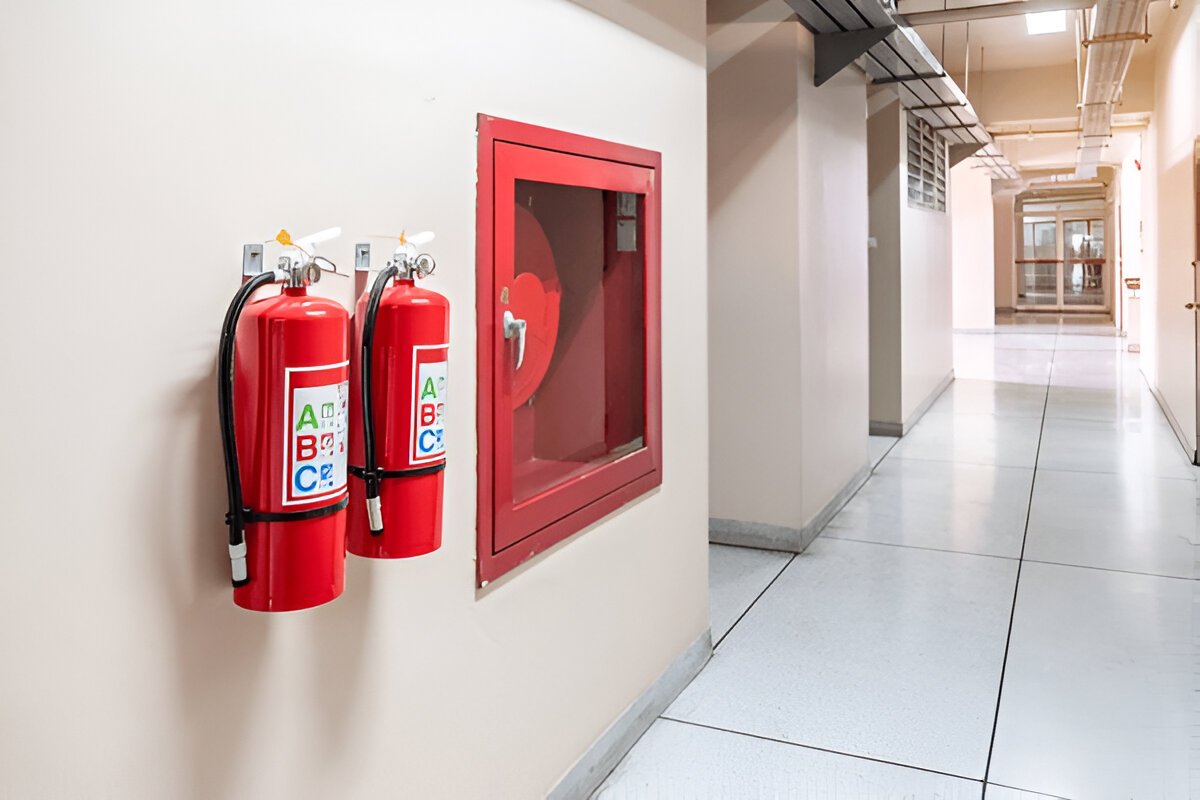
- When were fire extinguishers last serviced? (They need checks every 12 months.)
- Are sprinklers tested at least twice a year?
- Do emergency lights and alarms work during power cuts?
- Is there a maintenance log for fire doors and hydrants?
Shared laundry areas and vents collect lint and dust, both highly flammable. Cleaning them weekly greatly lowers fire risk.
 How Can Neighbours Build a Fire-Safe Community?
Fire prevention improves when residents cooperate. Encourage neighbours to keep corridors clear and never store items on stairways.
Building management can:
- Assign floor wardens to monitor safety equipment.
- Post evacuation maps in hallways.
Simple coordination between residents and management prevents confusion and saves time during emergencies.
When Should Fire Safety Be Reviewed?
Review your apartment’s fire safety at least twice a year or whenever you:
- Renovate electrical systems
- Change gas appliances
- Notice persistent circuit trips
- Move into a new building
Regular checks keep you ahead of unnoticed hazards.
Conclusion
Apartment fire safety depends on awareness, maintenance, and quick action. When residents use reliable alarms, follow smart cooking habits, and report risks early, the entire building becomes safer.
HAC & Sons provides professional fire-safety assessments, alarm installations, and system maintenance for residential buildings. Contact our team today to upgrade your fire protection and secure your property before a problem begins.